Drinking alcohol while taking antidepressants can lead to a range of harmful side effects, from worsening depression symptoms to serious health risks. Combining alcohol with Wellbutrin (bupropion) is not recommended due to increased risks of seizures, central nervous system depression (e.g., dizziness, drowsiness), and reduced treatment efficacy. Alcohol lowers the seizure threshold, exacerbating a known side effect of Wellbutrin, and worsens depressive symptoms, counteracting the antidepressant’s benefits. Patients with alcohol use disorder are particularly vulnerable to these interactions, necessitating cautious monitoring and avoidance of concurrent use. Treating co-occurring alcoholism and depression requires a multifaceted approach that addresses both conditions simultaneously. While SSRIs and SNRIs are often the first-line antidepressants for individuals with alcohol use disorder, the choice of medication should be tailored to each person’s specific needs and medical history.
- Symptoms of substance misuse also vary depending on the person, their existing mental health conditions, and the substance they are using.
- Secondly, the two disorders may have a causal effect with each disorder increasing the risk of developing the other.
- However, these effects may only have modest impact on both depression and alcohol‐related outcomes.
Cognitive behavioral therapy (CBT)
Neither male nor female relatives showed increased risks for does drinking make your depression worse obsessive-compulsive disorder, social phobia, panic disorder, and/or agoraphobia. A preliminary evaluation of the lifetime rates of major depressive disorders in 2,409 interviewed relatives of alcoholics revealed a rate of 17.5 percent, a figure that was almost identical to the rate observed in control families. The current study did not investigate the cause of association between depression and alcohol dependence. The finding of a high prevalence rate of depression among the study participants calls for the need to evaluate persons for depression before and after alcohol dependence treatment.
- When treating depression and substance abuse, consult with a mental health professional and/or an addiction specialist who can provide resources and recommendations for possible treatment options.
- Although not enough research has been conducted to verify these hypotheses, there is clear evidence that some people are more drawn to alcohol consumption while on antidepressants.
- The National Institute on Drug Abuse (NIDA) has concurrent treatment for comorbid disorders as one of its fundamental principles of substance-induced disorders 51.
- Moreover, outpatient treatment enables people to maintain relationships, keep up with responsibilities, and uphold a “normal” lifestyle.
Lifestyle Quizzes
- We judged the blinding of participants and personnel (performance bias) as low risk in 15 studies, as high risk in seven studies, and as unclear risk in the remaining 11 studies.
- Understanding the intricate relationship between these two conditions is crucial for developing effective treatment strategies and achieving long-term recovery.
- Certain ongoing treatment studies also are further evaluating the potential usefulness of buspirone, some specific anti-depressants, and other medications that affect brain chemicals as potential components for treating alcoholism.
- You safely manage alcohol consumption while on antidepressants by implementing specific harm-reduction strategies.
Opioids were also examined in two studies 15,18, and cannabis was examined in two studies 18,20 (Table 1). SNRIs, or Serotonin and Norepinephrine Reuptake Inhibitors, effectively change the brain chemicals like other antidepressants. Some of the https://savi.com.co/addiction-definition-types-causes-effects-and/ most common SNRIs include Pristiq, Cymbalta, Fetzima, Effexor XR, and more.
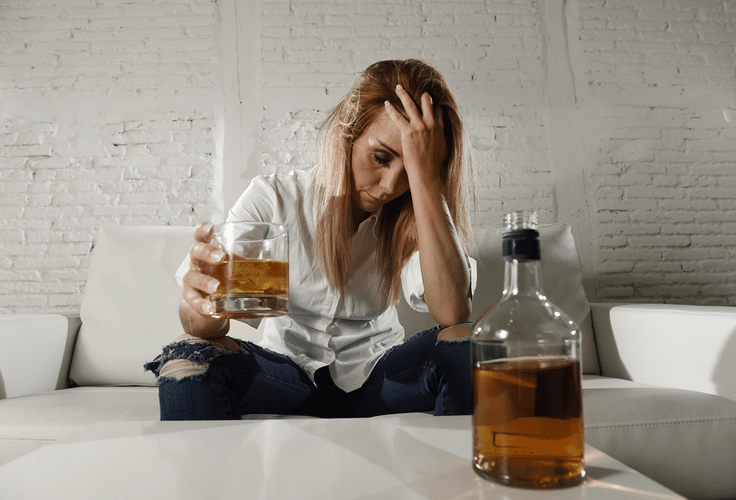
Comprehensive Treatment Approaches for Dual Diagnosis
Alcohol is a depressant substance that causes your body and mind to feel relaxed when taken in small amounts. Consuming alcohol while on antidepressants may counteract the benefits of the medication that you have alcoholism worked so hard to achieve. Some antidepressants, such as SSRIs and TCAs, may be safe to mix with a small amount of alcohol, though it does put you at risk for some side effects.

These steps should be considered even if the patient’s depressive disorder is a relatively short-lived alcohol-induced state. Practitioners can counteract their patients’ depressive symptoms by providing education and counseling as well as by reassuring the patients of the high likelihood that they will recover from their depressions. Similarly, an alcoholic who experiences repeated panic attacks or other anxiety symptoms requires intervention for the anxiety, regardless of the cause. Alcoholics who experience high levels of anxiety or nervousness, including panic attacks, will likely benefit from education and reassurance as well as from behavioral therapies aimed at increasing levels of relaxation.